

There is nothing quite like a crisp, freezing morning pre-season session or a heavy Friday night clash under the lights. But as the winter months roll in, the drop in temperature brings a familiar, unwelcome teammate to the pitch: increased risk of muscle strains.
When you’re tearing down the wing, exploding out of a ruck, or bracing for a heavy tackle, cold muscles are brittle muscles. A sudden sprint in the freezing cold without the right preparation is a one-way ticket to a torn hamstring or a blown calf.
If you want to stay off the sidelines and on the field this winter, here are 5 non-negotiable ways to prevent cold-weather muscle strains.
1. Upgrade to Technical Compression Gear
When it’s freezing, your body naturally pulls blood away from your extremities to keep your core warm. This leaves your glutes, hammies, and quads cold, stiff, and highly susceptible to injury.
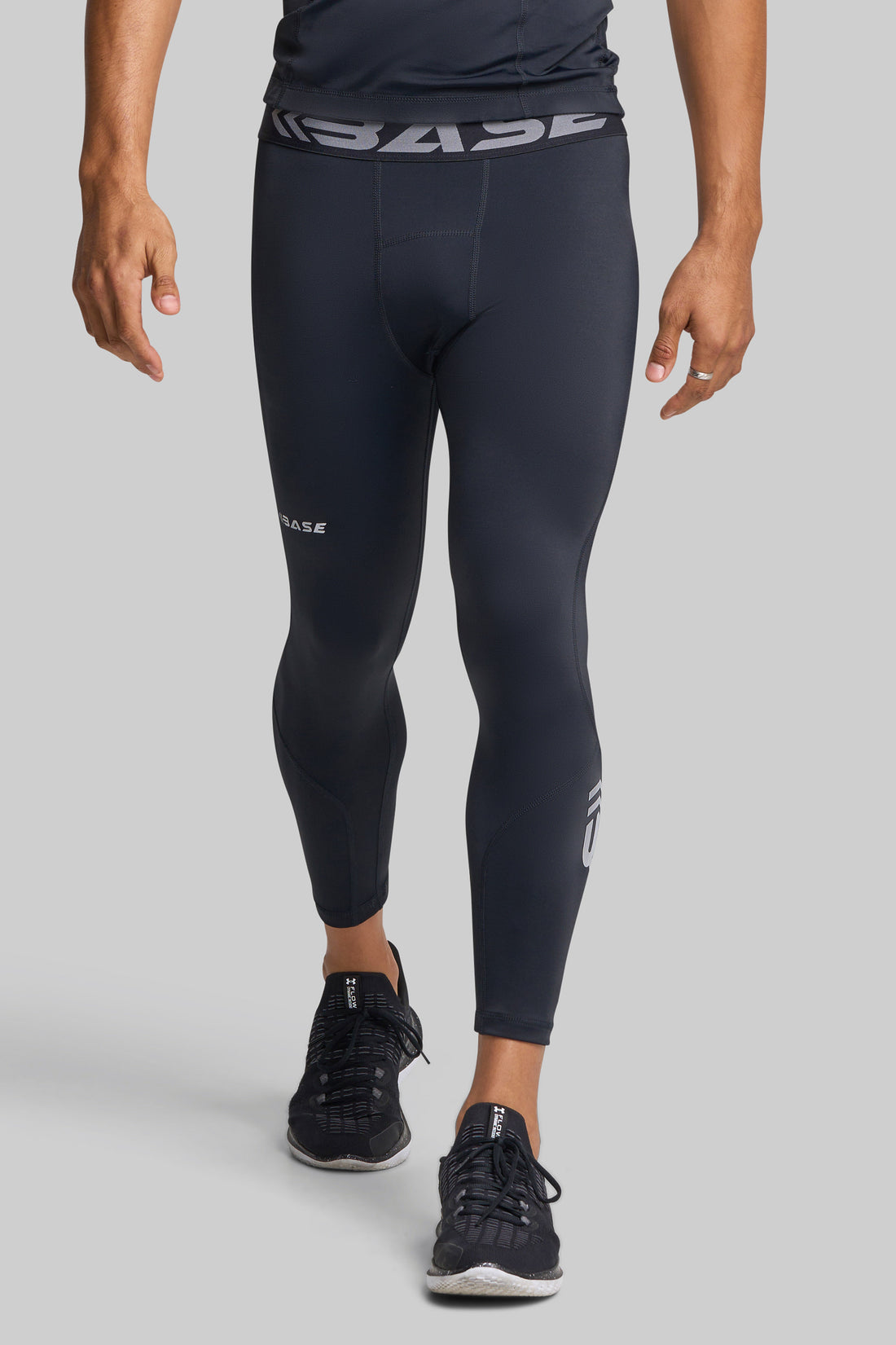
Wearing high-quality base layers—like professional-grade men's compression tights—acts as a secondary skin.
-
The Science: Compression garments mechanically trap heat and increase localised blood flow, keeping muscle tissue pliable even during breaks in play, like waiting for a VAR decision or a lengthy scrum reset.
-
The Bonus: It reduces muscle oscillation (the extra "shake" when your foot hits the hard winter ground), which cuts down on micro-tears and post-match soreness.
2. Extend and Dynamic-ify Your Warm-Up
Sitting in a warm car until 5 minutes before the siren or kick-off doesn't cut it in winter. Your summer warm-up won't work in July.
-
Ditch the static stretching: Holding a hamstring stretch for 30 seconds while sitting on freezing grass actually cools the muscle down further and decreases explosive power.
-
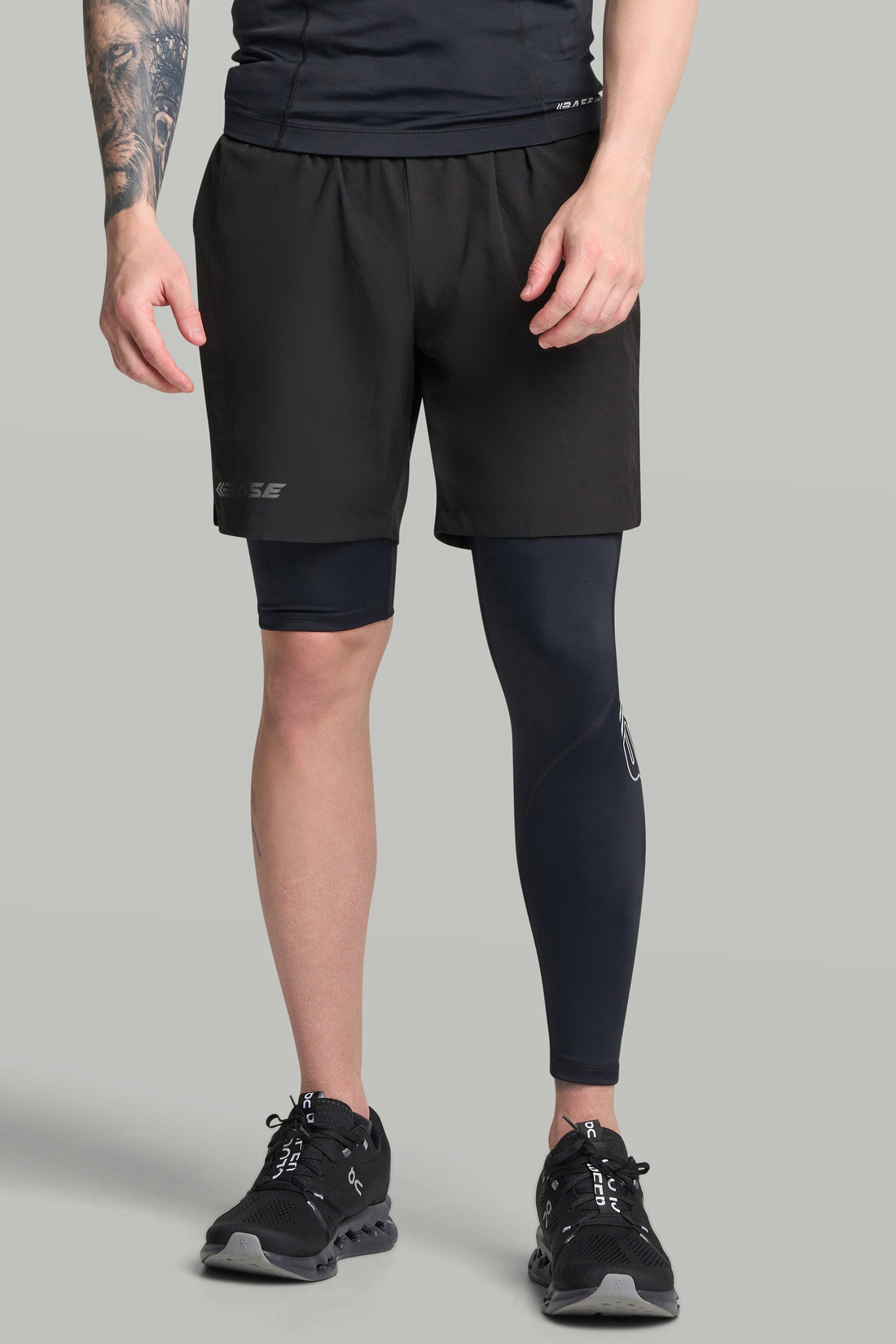
Go dynamic: Focus on progressive, sport-specific movements. Slip on your compression shorts and run through dynamic leg swings, A-skips, high knees, and bounded run-throughs. You want to break a light sweat before the main training session or match begins.
3. Layer Up for the Sidelines (and Halftime)
The danger zone for AFL and Rugby players isn't always during peak intensity—it’s when you stop. If you get subbed off or head into the sheds for halftime, your body temperature plummets rapidly in the cold wind.
Pro Tip: The second you hit the bench, put on a heavy tracksuit top and bottoms over your sports compression wear. Keep your muscles warm so that when the coach yells your name to get back out there, you aren't sprinting on cold legs.
4. Don't Slack on Winter Hydration
When it’s hot, you drink water because you’re sweating and thirsty. When it’s freezing, your thirst mechanism is suppressed, but you are still losing massive amounts of fluid through sweat and breathing out warm vapor. Dehydrated muscles lose their elasticity and cramp or tear much faster. Treat your hydration in winter exactly how you would in the peak of summer—sip water or electrolyte formulas consistently in the 24 hours leading up to a game.
5. Prioritise Post-Game Recovery
In winter, the temptation is to jump straight into a boiling hot shower the second the final whistle blows. However, going straight from freezing temperatures to extreme heat can cause rapid vasodilation, exacerbating inflammation in muscles that just took a beating. Give yourself 10–15 minutes to cool down actively (a light walk), keep your recovery compression gear on to assist with lymphatic drainage, and focus on rehydrating and refueling before you hit the hot showers.
The Bottom Line
Winter footy is elite, but the cold weather requires an elite approach to body maintenance. By locking in a solid dynamic warm-up, staying hydrated, and layering up with BASE, you can keep your muscles firing at 100% all the way through to the grand final.
Don't let the cold sideline your season. Pack your gear bag right, protect your muscles, and play hard.