

True athletic performance isn't built solely in the weight room or on the track—it’s earned in the quiet hours after the work is done.
Whether you’re logging heavy miles, grinding through a high-volume lifting phase, or competing on the field, your post-session output depends entirely on how quickly your biological systems can rebuild.
To optimise downtime, elite athletes look past basic rest and turn to the physics of recovery. Here is a look inside the physiological mechanisms of muscle repair, the myth of lactic acid, and how targeted graduated compression accelerates your return to peak output.
1. What Actually Happens During High-Exertion Training?
To understand how to recover faster, we first have to look at what happens under heavy physical stress. When you push your body to its limit, two main biological events take place:
Muscle Fiber Micro-Trauma
During high-intensity movement—especially the eccentric phase (like the downward motion of a squat or the foot-strike force of downhill running), your muscle fibers undergo microscopic structural tearing. These micro-tears are a normal stimulus for growth, but they trigger a cascade of inflammation.
The Swelling Cascade & Edema
As your immune system responds to these micro-tears, fluid and inflammatory markers flood the surrounding tissue. This accumulation (known as localised edema) increases internal pressure within the muscle compartment. Left unchecked, this pressure restricts clean, oxygen-rich blood from entering the area right when your cells need it most.
Myth Buster: Lactic Acid vs. Delayed Soreness
A common misconception is that post-workout soreness is caused by "lactic acid pooling in the muscles." In reality, lactate is cleared from your bloodstream by your metabolic systems within 1 to 2 hours post-workout. That deep, stiff ache you feel 24 to 48 hours later is Delayed Onset Muscle Soreness (DOMS)—driven entirely by structural micro-trauma and the surrounding inflammatory repair process.
2. The Biological Mechanics: How Graduated Compression Works
Graduated compression isn't just tight fabric; it is precision engineering applied to human vascular anatomy. By applying engineered pressure that is tightest at the extremities and gradually decreases toward the heart, it works alongside your body’s natural physiology in three key ways:
a. Hemodynamic Efficiency & Venous Return
Gravity is constantly pulling deoxygenated blood and metabolic waste down into your lower limbs. Your veins rely on one-way valves and surrounding muscle contractions to pump blood back up to your heart and lungs.
Graduated compression acts as an external biological pump. By gently compressing the superficial veins, it increases blood flow velocity through the deep vein network, accelerating the removal of cellular debris and returning deoxygenated blood to the heart faster.
b. Muscle Oscillation & Vibration Reduction
Every step you take on a run or every explosive impact on the field creates kinetic shockwaves that travel through your muscle belly. This is called muscle oscillation.
These micro-vibrations cause structural fatigue independent of your actual workout effort. By wrapping and stabilizing the muscle mass, high-grade compression dampens oscillation during activity, resulting in significantly fewer micro-tears to repair after the session is finished.
c. Lymphatic System Activation
Unlike the cardiovascular system, which has the heart to pump blood, your lymphatic system relies on bodily movement and external pressure to drain interstitial fluid. Graduated compression assists lymphatic drainage, suppressing localised post-workout swelling and eliminating that "heavy leg" feeling the next morning.
3. The Pro-Athlete 3-Step Recovery Protocol
To get the absolute most out of your training cycles, combine proper compression gear with this simple post-session routine:

Engineered for Performance. Backed by Science.
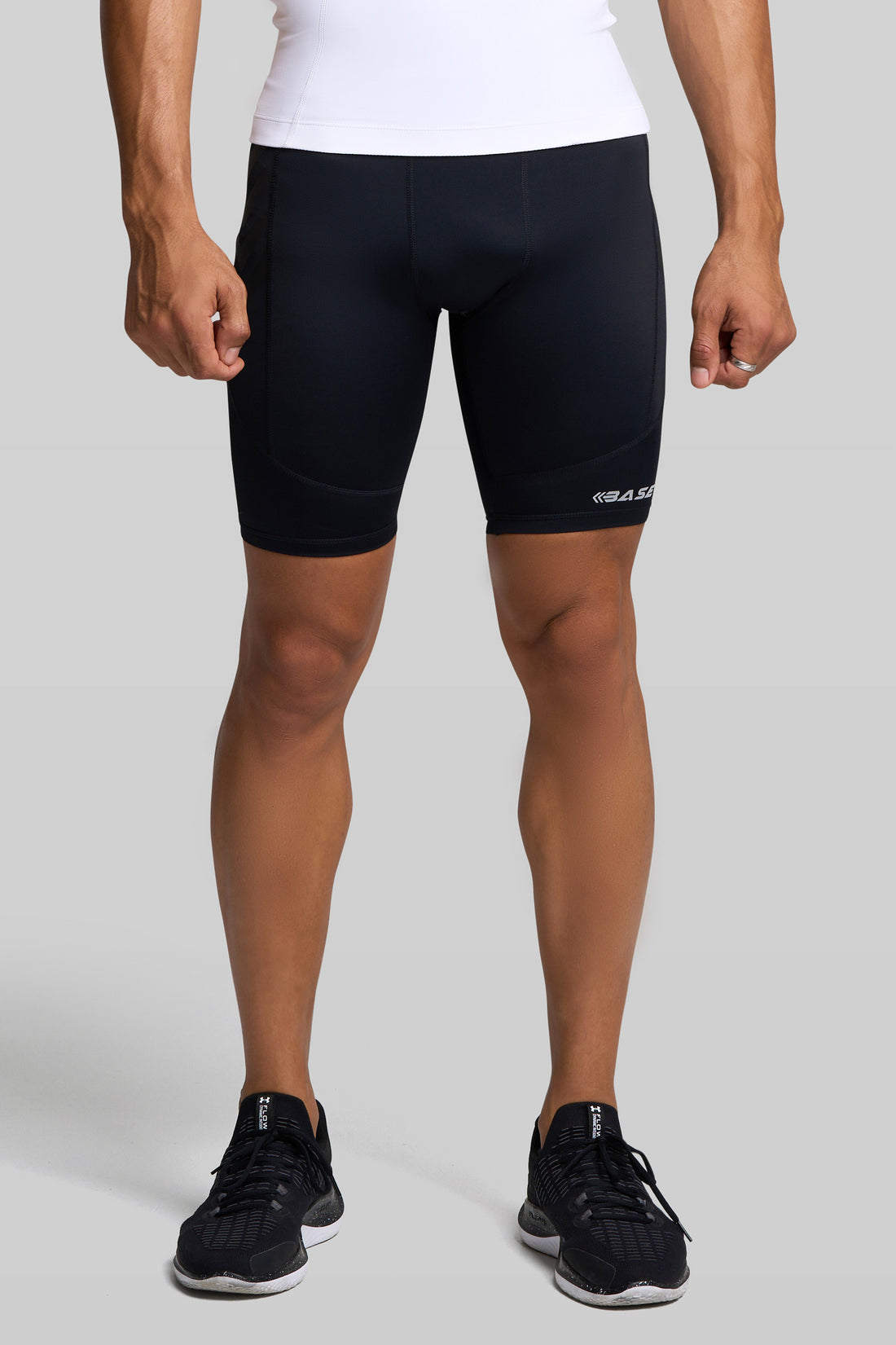
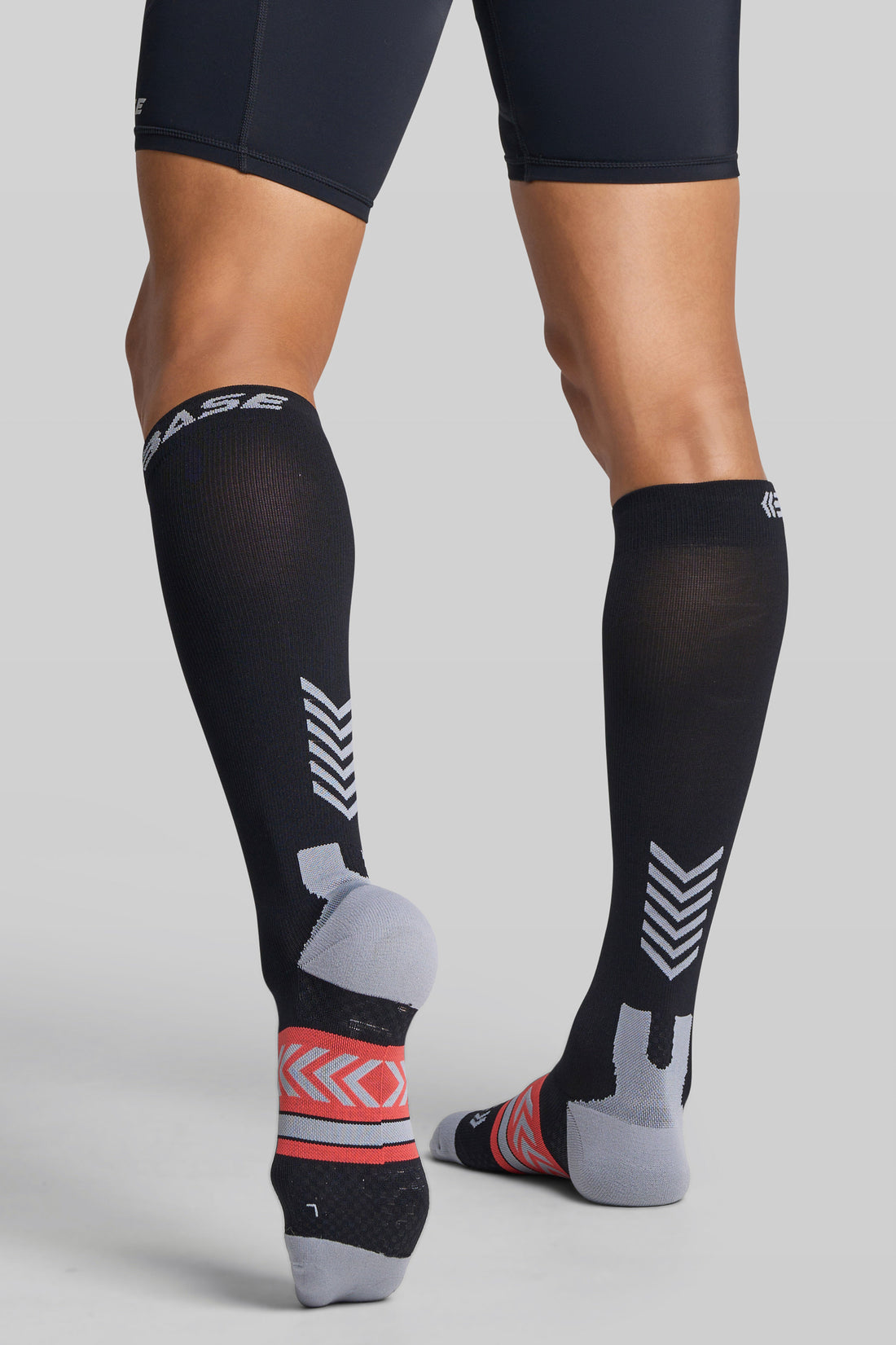
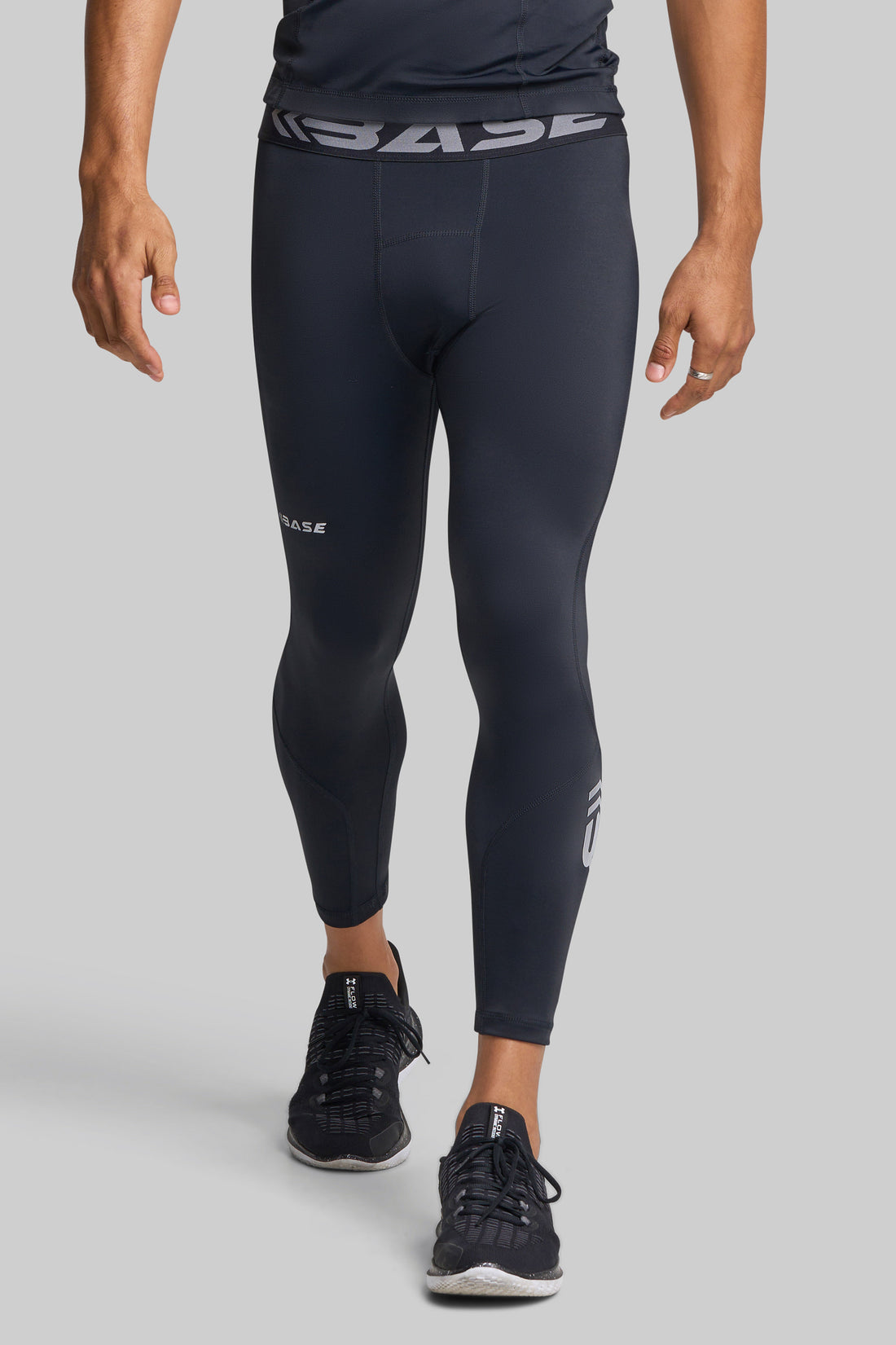
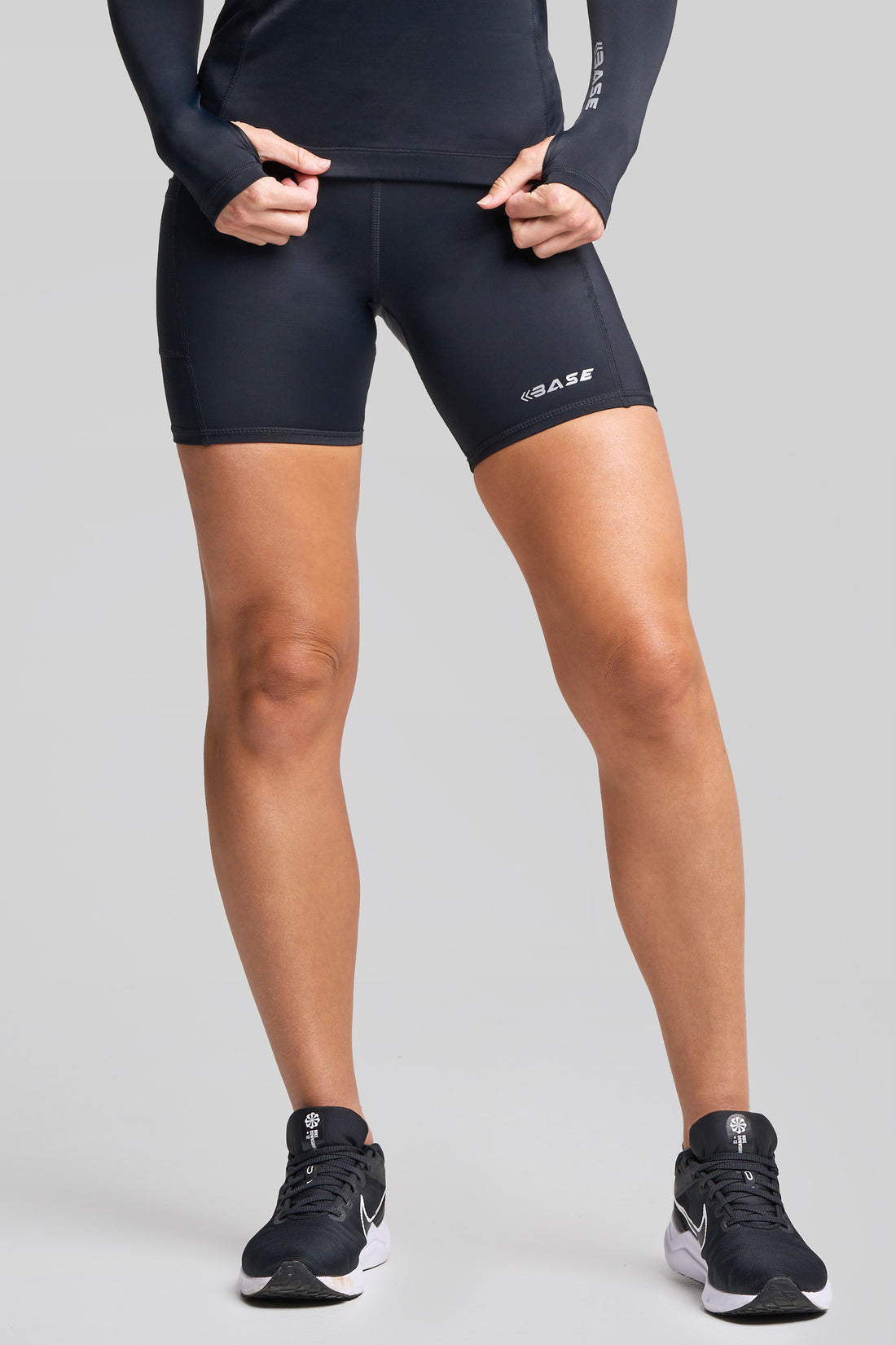
Recovery isn't passive—it’s an active process that requires the right tools. Engineered with certified medical-grade elastane and targeted pressure mapping, BASE Compression gear is built to support your body's natural physiological repair systems so you can bounce back stronger session after session.